Catch It Early: A Compassionate Guide to Spotting Disruptive Behavior Before It Derails Your Table
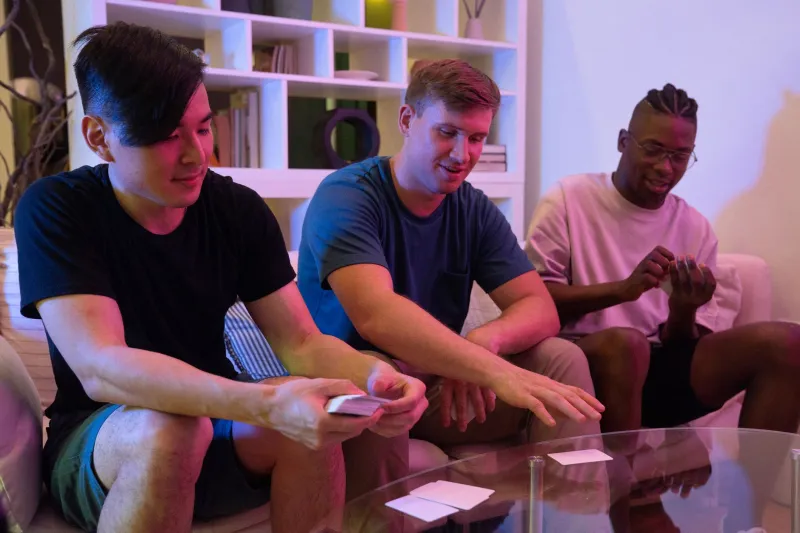
Nobody sits down at a gaming table planning to be the problem. That's worth saying upfront, because the moment you frame disruptive behavior as a personality flaw rather than a pattern of habits, you've already made the conversation harder than it needs to be.
Most table disruptions don't arrive with a dramatic entrance. They accumulate. A player who talks over others a few times. Someone who checks their phone more than they engage. The rules lawyer who's helpful until they're really, really not. Individually, each moment is easy to write off. Together, they create an atmosphere that quietly drains the joy out of game night — and by the time someone finally says something, the damage is already deep.
The good news: there's a window between "first sign of trouble" and "table implosion," and if you know what to look for, you can do a lot of good in that window.
The Patterns That Show Up First
Disruptive behavior in gaming groups tends to cluster around a few recognizable types. None of these are diagnoses — they're patterns, and most people who fall into them aren't doing it intentionally.
The Spotlight Monopolizer. This player doesn't necessarily mean to dominate the table, but their instinct is always to be at the center of the action. They'll talk over quieter players, redirect scenes back to their character, or escalate their own dramatic moments when another character is getting attention. Early sign: you notice other players at the table going quiet, not because they have nothing to say, but because there's never quite a gap to say it.
The Rules Lawyer. In small doses, a player who knows the rules well is an asset. The version that becomes a problem is the one who uses rules knowledge as a form of control — challenging DM rulings mid-scene, citing page numbers during tense moments, or correcting other players' mechanical choices in ways that feel more like judgment than help. Early sign: the DM starts hesitating before making calls, or other players stop asking questions because they don't want the lecture.
The Boundary-Pusher. This one requires the most careful attention because it can escalate the fastest. This player tests the table's comfort level with dark themes, crude humor, or interpersonal conflict — usually framed as "just playing my character." Early sign: someone at the table laughs nervously, or there's a moment where the energy in the room shifts and nobody addresses it directly.
The Disengaged Attendee. This player shows up but isn't really there — phone out, side conversations, tuning back in only for their own scenes. It might look passive, but chronic disengagement is contagious and signals to the rest of the table that the game isn't worth full attention. Early sign: other players start mirroring the behavior, or the session's pacing starts to drag without a clear reason.
The Emotional Wildcard. This player's engagement is unpredictable — sometimes a deeply invested, wonderful table presence, other times reactive, moody, or prone to taking in-game events personally in ways that spill out-of-character. Early sign: the table starts self-censoring plot decisions to avoid triggering a bad reaction.
Why Early Intervention Is an Act of Care
Here's the reframe that makes these conversations possible: stepping in early isn't about policing someone. It's about protecting the whole table, including the person whose behavior is causing friction.
Waiting until things are bad enough that everyone agrees something has to be done means waiting until people are hurt, trust is damaged, and the disruptive player has built months of habits that are genuinely hard to change. Early intervention — when the pattern is visible but not yet entrenched — gives everyone a better shot at a good outcome.
It also respects the disruptive player enough to be honest with them. Most people, given a low-stakes, private, non-accusatory heads-up, respond better than you'd expect. What people don't respond well to is finding out, after the fact, that everyone at the table was quietly frustrated with them for half a year.
How to Actually Have the Conversation
The medium matters as much as the message. These conversations should almost never happen at the table, in front of the group, in the middle of a session. One-on-one, outside of game time, is almost always the right move.
A few conversation starters that work:
-
"Hey, I wanted to check in with you about something I've noticed — I don't think you're doing it on purpose, but..." This opener does a lot of work. It signals good faith, removes the accusatory framing, and creates space for the person to hear you without getting defensive.
-
"I've been thinking about how we handle [specific situation] at the table, and I wanted to get your take before I bring it up with the group." This frames the conversation as collaborative rather than corrective, and it's especially useful for rules-related friction.
-
"Can I be honest with you about something? I'd rather tell you directly than let it become a bigger thing." Simple, respectful, and hard to argue with.
Be specific about behavior, not character. "Last session, when you interrupted Mia's scene a few times" is a conversation. "You always make everything about yourself" is an accusation. One of those leads somewhere useful.
If the Conversation Doesn't Land
Sometimes it doesn't. Someone gets defensive, minimizes the concern, or agrees in the moment and then nothing changes. That's a harder situation, and it's worth being honest that there's no magic script that works every time.
At that point, a group conversation — handled carefully, with the DM or a designated table organizer facilitating — may be necessary. The goal isn't a tribunal; it's a table check-in where everyone gets to speak to what's working and what isn't. Done right, these conversations can actually strengthen a group's culture.
And occasionally, despite everyone's best efforts, someone isn't a good fit for the table. That's painful, but a table that's lost its safety and trust isn't serving anyone — including the person whose behavior is the source of the tension.
The Table You're Protecting
Game night is supposed to be the thing people look forward to all week. It's the place where people get to be creative, collaborative, and a little ridiculous together. That's worth protecting — not by running a tight ship or policing fun, but by caring enough about your community to address friction before it becomes fracture.
Catch it early. Handle it kindly. Keep the table worth coming back to.