Confessions of a House-Ruled Table: The Unofficial Rulebook Every Group Is Already Playing By
Here's a scenario that probably sounds familiar: you're mid-session, a rules question comes up, and before anyone reaches for the book, someone at the table says, "We've always done it this way." The group nods. Play continues. Nobody questions it.
Except... when did you start doing it that way? Does everyone actually agree that's the rule? And is it even close to what the book says?
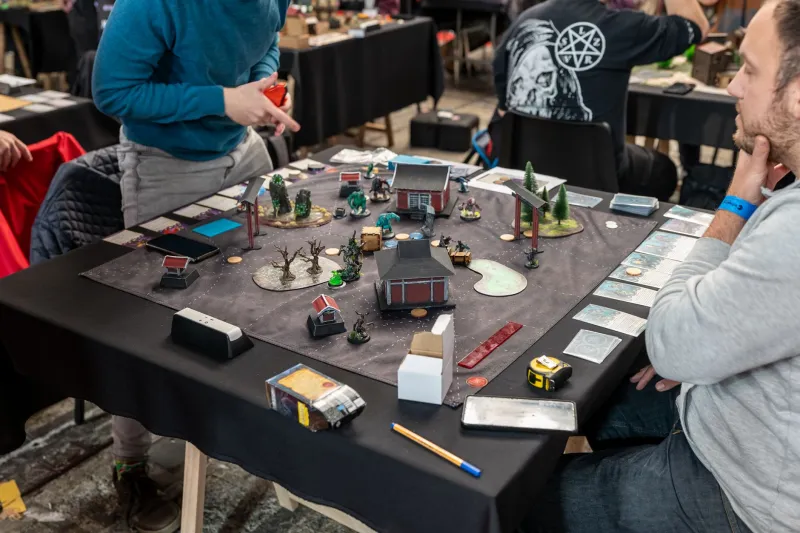
Welcome to the phenomenon of the organic house rule — the unofficial amendment that crept into your game through a single DM decision, a misremembered rule, a compromise, or just sheer repetition until it became invisible. Every table has them. Most tables have more than they realize. And the longer a group has been playing together, the deeper the unofficial rulebook tends to run.
This isn't necessarily a problem. Some house rules are genuinely improvements. Some reflect the specific preferences of your group in ways that make the game more fun for everyone at that table. But some of them are outdated, unfair, or just nobody's actually favorite — they stuck around through inertia rather than consensus.
So let's talk about how to find them, examine them honestly, and have the conversation your table has probably been avoiding.
The Archaeology of Your Table's Habits
Auditing your actual gameplay practices sounds more formal than it needs to be. In practice, it starts with one simple question asked out loud: Do we play this the way the book says?
Pick a system mechanic — death saves, encumbrance, spell components, flanking, inspiration, critical hits, resting — and actually look it up. Then compare it to what your table does. The gaps you find are your unofficial rules.
Common places where house rules tend to accumulate:
Death and dying. Almost every table has modified these rules in some direction. Some groups play it softer (more chances to stabilize, death only on a truly catastrophic roll). Some play it harder. Very few play it exactly as written, and the specifics matter a lot to how dangerous your game actually feels.
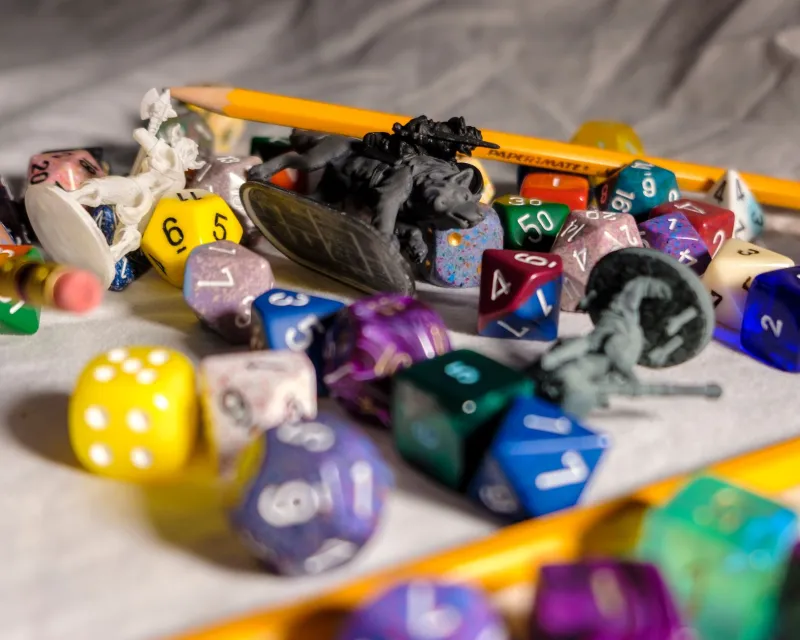
Critical hits. Max damage? Double dice? Double dice plus modifiers? Some hybrid? This one varies wildly between tables and has a meaningful impact on combat math.
Short and long rests. The duration and availability of rests is one of the most commonly tweaked mechanics in D&D 5e, and how your table handles it shapes the entire resource-management experience of the game.
Social rolls. Does a high Persuasion check override a player's actual argument? Can you roll to change an NPC's deeply held beliefs in a single conversation? Different tables draw this line in very different places.
Rules everyone forgets on purpose. Encumbrance. Ration tracking. Spell components with a cost. These exist in the book, but plenty of tables quietly agree not to enforce them without ever formally discussing it.
Why Unofficial Rules Stick Around
Understanding why a house rule exists is often more useful than debating whether it's technically correct. Most unofficial rules fall into a handful of categories:
Convenience shortcuts. Some rules are complicated enough that slowing down to apply them kills the pacing. Tables simplify them not because they disagree with the intent but because the friction isn't worth it at their table.
DM rulings that became precedent. A DM made a call in the moment, it seemed fair, nobody objected, and it got applied again the next time a similar situation came up. A few repetitions later, it's just "how we do it."
Forgotten corrections. Someone misremembered a rule early in the campaign, everyone played it that way, and by the time anyone noticed, the corrected version felt wrong because the group had adjusted to the mistaken one.
Genuine design disagreements. Sometimes a table collectively dislikes how a rule works and quietly plays around it. This is the most legitimate kind of house rule — it's an actual editorial choice, even if it was never consciously framed that way.
Having the Conversation Without Blowing Up the Vibe
Bringing up house rules doesn't have to feel like a rules-lawyering ambush. The key is framing it as a collaborative audit rather than a correction of anyone's past behavior.
A natural opening: bring it up between sessions rather than in the middle of play. Something like, "Hey, I was looking something up and realized we might be playing [X] differently than the book intends — want to talk about whether we like our version or should switch?" That framing makes it a group decision rather than an accusation.
For each unofficial rule your group surfaces, it helps to ask three things: Does this make our game more fun? Does it disadvantage anyone unfairly? Are we all actually on the same page about how it works?
If the answer to the first is yes and the others are no, you've got a house rule worth keeping — maybe even worth writing down so everyone's actually playing the same game. If the answers are more complicated, it's worth a real conversation.
The Case for Writing It Down
One of the most underrated things a long-running group can do is create a simple document — even just a shared note or a Google Doc — that lists their actual table rules. Not a comprehensive rulebook. Just the places where your table diverges from the printed rules, and the decisions you've made about edge cases.
This does a few useful things. It makes your unofficial rules visible and intentional rather than invisible and assumed. It helps onboard new players without a three-session learning curve of discovering all the unspoken norms. And it forces the group to actually agree on what the rules are, which occasionally surfaces disagreements that have been quietly festering.
You might be surprised how much your players' mental models of the same rule differ, even after years of playing together.
Your Table, Your Game
The goal here isn't to push every group back toward strict rules-as-written. Some of the most beloved tables in the hobby are running games that would be unrecognizable to a rules purist, and they're having a fantastic time. The goal is intentionality — knowing what you're playing, choosing it consciously, and making sure everyone at the table is actually playing the same game.
The unofficial rulebook your group has been writing for years is worth reading. You might find some things you want to formalize, a few things you want to change, and probably a handful of rulings that perfectly capture exactly what makes your table yours.