When Your MVPs Start Checking Out: Recognizing and Reversing Veteran Player Burnout
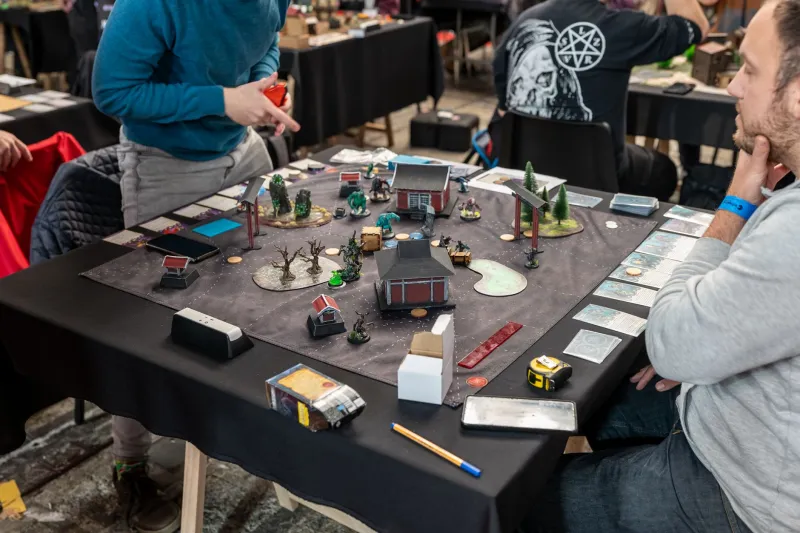
There's a moment most long-running tables eventually hit, and it tends to sneak up on you. The player who always had a plan, who kept detailed notes, who remembered the name of that merchant from six sessions ago — they start showing up a little quieter. Their turns get shorter. The spark that used to light up the room when they rolled dice is still there, but it's dimmer. Something's off, and it's not the campaign.
If you've been running or playing in a group for a while, you probably know exactly who we're talking about. Every table has them: the veterans. The ones who do the heavy lifting, emotionally and mechanically, without being asked. And ironically, the very things that make them invaluable might be quietly grinding them down.
The Invisible Weight They're Already Carrying
Here's the paradox nobody talks about enough: being really good at tabletop RPGs is kind of exhausting.
Experienced players often absorb a ton of invisible labor that doesn't show up on a character sheet. They're the ones who recap last session when someone forgets, who gently nudge newer players through their turn during combat, who keep the story moving when things stall. They manage their own character and monitor the energy of the table. They know when to push a scene forward and when to hang back. That's a lot of mental bandwidth to spend on a hobby.
Nobody assigned them this job. But over time, through a combination of genuine care and creeping expectation, it just became theirs. And when something becomes an obligation instead of a choice, even the most passionate player starts to feel the drag.
Expectation Creep Is Real — And It's Sneaky
Expectation creep is what happens when a player's consistent effort quietly raises the bar for what people expect from them. They brought snacks once, now it's their thing. They stayed in character through a tough emotional scene, now the DM leans on them for dramatic anchors. They helped a newer player build their character before session one, now they're the unofficial onboarding committee.
None of these things are bad on their own. But stack them up across months of weekly sessions, and you've got a player who's essentially working a second shift every game night — without anyone noticing because they make it look effortless.
The cruel twist? The better someone is at this stuff, the less visible the strain becomes. They don't complain. They adapt. And then one day they say they need to take a break, and everyone acts surprised.
What Burnout Actually Looks Like at the Table
Burnout in veteran players rarely announces itself. It tends to look like other things first. Here's what to watch for:
Shorter engagement windows. A player who used to be fully present for four hours starts mentally clocking out around the two-hour mark. Their contributions don't disappear, they just... compress.
Reactive instead of proactive play. They stop driving scenes and start responding to them. The character who used to chase plot hooks is now waiting to be told where to go.
Humor as deflection. This one's subtle. When someone starts cracking jokes during moments they'd normally take seriously, it can be a sign they're protecting themselves from investing too deeply.
Absence of between-session engagement. No more theory-crafting in the group chat. No more "I've been thinking about my character and..." texts. The enthusiasm that used to spill outside of game night quietly dries up.
Redistributing the Load Without Making It Weird
The good news is that veteran player burnout is almost always reversible, and you don't have to make it a big dramatic intervention to address it. Here are some practical moves that actually help.
Let them opt out of being the lifeguard. Have a direct, low-pressure conversation — not at the table — where you acknowledge what they've been carrying and explicitly give them permission to step back from it. Sometimes people just need to hear "you don't have to do that anymore" before they'll actually stop.
Build in spotlight rotation that doesn't rely on self-advocacy. Newer or quieter players often get less table time because they don't push for it, and experienced players pick up the slack. As a DM, proactively structure scenes that hand the wheel to different players, so your veterans aren't constantly filling the silence.
Give them something genuinely novel. Burnout often hits when a player feels like they've mastered the loop. Throw something at their character — a mechanic, a relationship, a moral dilemma — that they haven't navigated before. Novelty is genuinely energizing, and your most experienced players are often the ones most starved for it.
Separate the player from the character's competence. Sometimes a veteran player's burnout is partly tied to having an extremely powerful or narratively central character. Consider whether their PC has room to fail, to be uncertain, to need help. Characters who always succeed stop being interesting to play, no matter how mechanically satisfying the build is.
Ask, don't assume. This sounds obvious, but it's easy to forget. Check in directly. "Hey, you seem a little checked out lately — is the game still working for you?" gives someone an opening they might not have created on their own.
The Bigger Picture
A table is only as strong as its weakest link, sure — but it's also only as sustainable as its most tired one. When your veteran players burn out, you don't just lose their contributions. You lose the institutional memory, the tonal anchors, the people who make newer players feel welcomed and capable. The ripple effect on a group's culture can be significant.
Keeping your MVPs engaged isn't about giving them more to do. It's about making sure the game still feels like a game to them — something they want to show up for, not something they feel responsible for holding together.
That's a distinction worth protecting, one session at a time.